Daiquiri
The ultimate test of a bartender's skill, balancing rum, lime, and sugar.
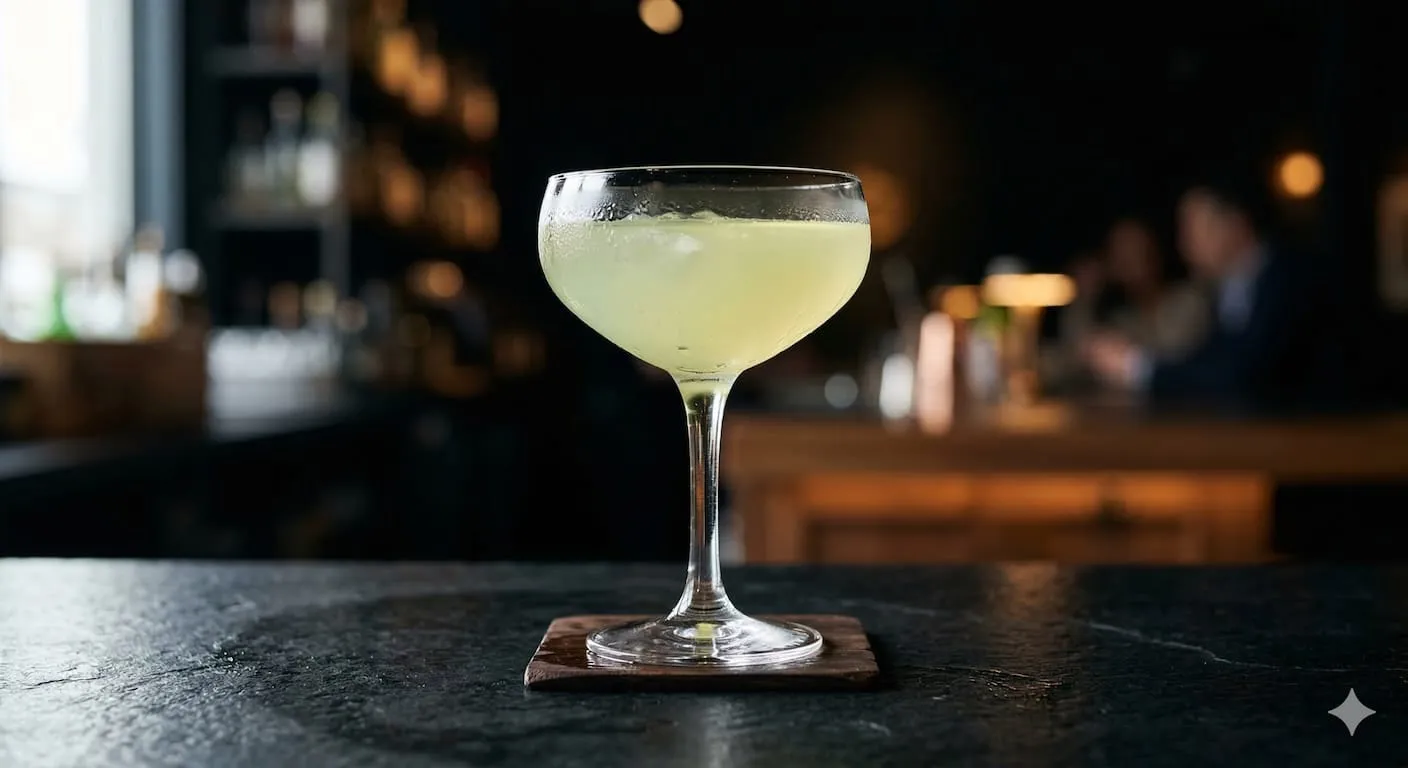
Ingredients
| 60 ml | White Rum | |
| 20 ml | Fresh Lime Juice | |
| 2 tsp | Sugar |
Got these ingredients?
Add them to your bar and discover more cocktails you can make.
Instructions
- 1
Add all ingredients into a shaker with ice.
- 2
Shake well and strain into a chilled cocktail glass.
Flavour Profile
Collections
Nutrition
130 kcal
7 g
6 g
Daiquiri
The Daiquiri is the quintessential “The Unforgettable” classic composed of White Rum, Fresh Lime Juice, and Superfine Sugar. It is the baseline for all rum-based mixology and is widely considered the ultimate test of a bartender’s skill due to the extreme precision required to balance its three simple, raw ingredients.
Key Takeaways
- Alcoholic Base: Cuban-style White Rum.
- Structural Category: Sour (Spirit, Citrus, Sugar).
- Flavor Profile: Tart, crisp, and refreshing.
- Glassware: Chilled Cocktail (Coupe) glass.
History: From Iron Mines to Hemingway
The Daiquiri was created in 1898 in the small mining village of Daiquirí, Cuba.
The Jennings Cox Origin
It is officially attributed to Jennings Cox, an American mining engineer. Lacking gin for his guests, Cox turned to the local ingredients: rum, lime, and sugar. He named the drink after the local town, and it eventually traveled to Havana, where it was refined at the legendary El Floridita bar.
The Hemingway Connection
The drink was immortalized by Ernest Hemingway, who famously frequented El Floridita. While the IBA standard uses sugar, the “Papa Doble” (Hemingway Special) famously adds grapefruit and maraschino to accommodate the author’s taste and lack of sugar preference.
Ingredient breakdown
The Rum
The drink requires a clean, high-quality Spanish-style White Rum (e.g., Havana Club 3 Year or Bacardi Heritage). The rum should be approximately 40% ABV to provide enough “spine” to stand up to the lime without being overwhelming.
Fresh Lime Juice
Bottled lime juice is unacceptable. The Daiquiri relies on the bright, sharp acidity of freshly squeezed limes. The juice should be used within a few hours of pressing to avoid the bitter, oxidative notes that develop over time.
Sugar vs. Simple Syrup
While the IBA specifies superfine sugar, many modern bartenders use a 2:1 simple syrup for more consistent integration and a silkier mouthfeel. Sugar crystals provide a specific rustic texture if not fully dissolved, while syrup ensures a perfectly homogenous drink.
Preparation Mechanics
- The Ratio: The traditional “Golden Ratio” for a sour is often 2:1:1, but the IBA 60:20:sugar ratio ensures a more spirit-forward and tart experience.
- The Shake: Shake vigorously with large ice cubes for 12-15 seconds. Chilling is vital; the drink should be served at approximately 32°F (0°C).
- The Texture: A well-shaken Daiquiri will have a thin layer of micro-ice shards on the surface, though many preferred a “double strained” approach for a crystal-clear appearance.
- Garnish: Traditional recipes often omit the garnish to highlight the drink’s simplicity, though a thin, dehydrated lime wheel is a common modern addition.
Tasting Profile
The Daiquiri is a masterclass in clarity. The initial palate is hit with a bracingly cold, tart lime punch that is immediately tempered by the sugar. The mid-palate reveals the grassy, slightly sweet character of the rum, finishing with a crisp, dry, and invigorating clean palate.
You Might Also Like
More Rum cocktails to try.
Caipirinha
The national cocktail of Brazil, showcasing the unique character of Cachaça.
Mojito
A Cuban masterpiece of rum, lime, and mint, topped with sparkling soda.
Cuba Libre
A simple, classic combination of rum, cola, and lime with a revolutionary history.
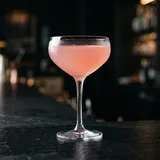
Hemingway Special
A dry, powerful variation of the Daiquiri created for Ernest Hemingway.
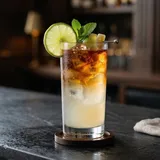
Dark 'n' Stormy
A trademarked combination of Goslings Black Seal Rum and ginger beer.
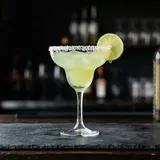
Margarita
A perfect balance of tequila, lime, and orange liqueur with a salt rim.