Canchánchara
A rustic, historical Cuban cocktail featuring aguardiente, honey, and lime.
Ingredients
| 60 ml | Aguardiente de Caña | |
| 15 ml | Fresh Lime Juice | |
| 15 ml | Honey | |
| 50 ml | Water | |
| Garnish | ||
| 1 wedge | Lime wedge | |
Got these ingredients?
Add them to your bar and discover more cocktails you can make.
Instructions
- 1
Mix honey with lime juice and water until dissolved.
- 2
Add aguardiente and fill the glass with ice.
- 3
Stir well.
Flavour Profile
Nutrition
180 kcal
18 g
15 g
Canchánchara
The Canchánchara is a rustic, historically significant Cuban cocktail composed of Aguardiente, Honey, Fresh Lime Juice, and Water. It is celebrated as one of the world’s oldest cocktails and the definitive precursor to the modern Daiquiri, representing the agrarian roots of Caribbean mixology.
Key Takeaways
- Origin: Trinidad, Cuba (19th Century).
- Core Ingredients: Aguardiente (unrefined rum), Honey, Lime.
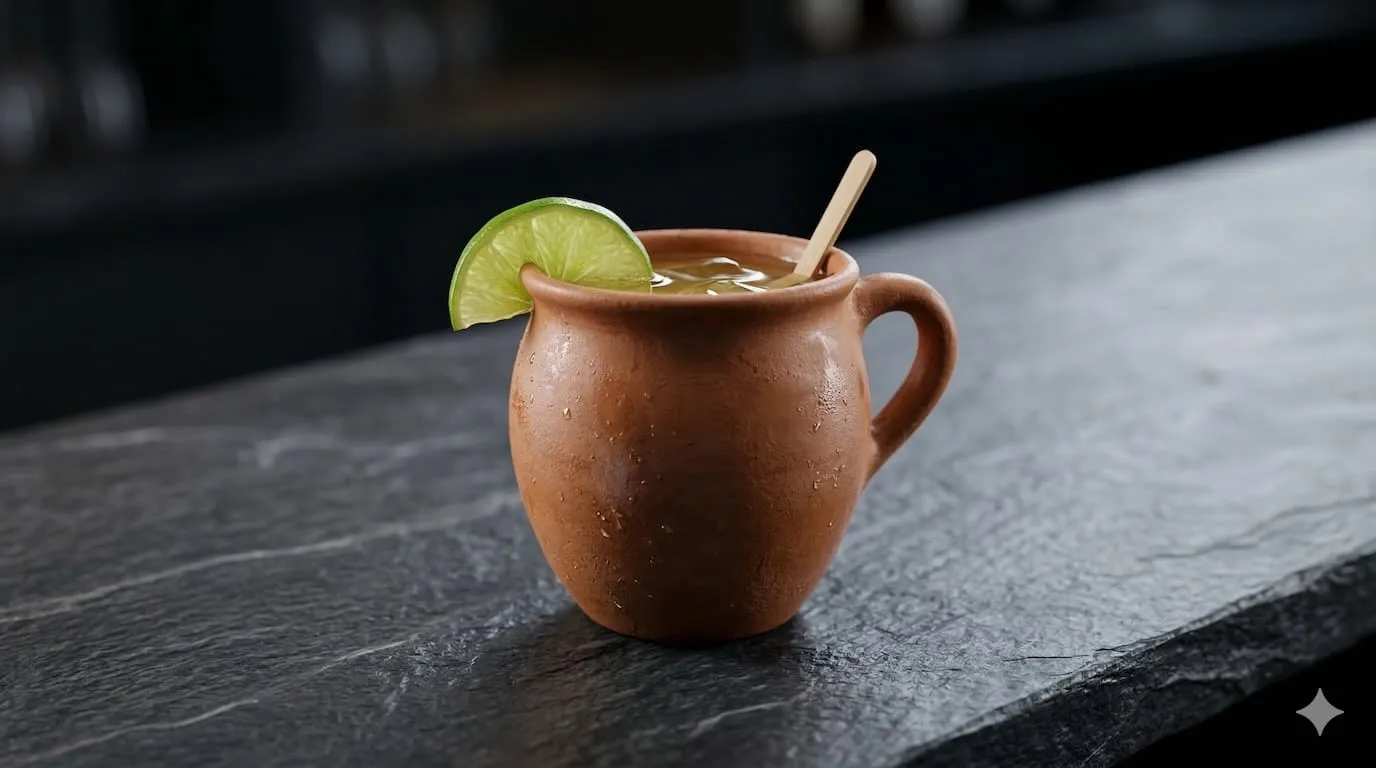
- Serving Vessel: Traditionally a handmade clay cup (jícaras).
- Flavor Profile: Earthy, sweet, and tart.
History and the Cuban Independence
The Canchánchara was created in the mid-19th century during the Ten Years’ War and the subsequent Cuban War of Independence.
The Mambises Beverage
The drink was the primary source of comfort for the Mambises (Cuban guerrilla fighters). Its high alcohol content provided warmth and temporary pain relief, while the lime and honey acted as nutritional supplements and localized medicine for respiratory issues common in the jungle trenches.
Pre-Industrial Mixology
Because refined sugar and processed ice were unavailable to the fighters, they utilized what was locally abundant: wild honey and raw sugarcane distillate. This makes the Canchánchara a “living artifact” of pre-industrial bar culture.
Ingredient Analysis
Aguardiente de Caña
Aguardiente (literally “fire water”) is a raw, unaged precursor to modern rum. It is characterized by high ethanol levels and intense, funky sugarcane aromatics. In modern bars, a high-quality White Agricole Rum or a “funky” Jamaican rum is often used as a substitute.
Honey and Lime
- Honey: Must be diluted with warm water into a syrup for proper integration. The floral notes of Cuban honey are a primary flavor driver.
- Fresh Lime: Provides the necessary acidic “snap” to balance the heavy, viscous honey and the aggressive aguardiente.
Preparation and Presentation
- The Honey Base: Dissolve the honey in lime juice and water first at the bottom of the glass. This ensures the sweetener is fully integrated before the alcohol and ice are added.
- The Build: Add the aguardiente and fill the glass with ice.
- Stirring: Stir vigorously to chill. As a rustic drink, it is built in the glass, not shaken.
- Clay Cup Traditions: In Cuba, the drink is still served in small unglazed clay cups. The porous nature of the clay keeps the liquid remarkably cold while adding a subtle, earthy mineral note to the olfactory experience.
Tasting Profile
The Canchánchara offers a powerful, unrefined flavor. It leads with a tart citrus brightness that transitions into a heavy, floral mid-palate from the honey. The finish is long and warming, dominated by the grassy, ester-rich profile of the aguardiente.
You Might Also Like
More Aguardiente cocktails to try.
Caipirinha
The national cocktail of Brazil, showcasing the unique character of Cachaça.
Lemon Drop Martini
A sweet-and-sour vodka martini that tastes like liquid lemon candy.
Black Russian
An intense, coffee-flavored vodka cocktail served on the rocks.
French Connection
A simple, two-ingredient classic that highlights the marriage of cognac and amaretto.
Long Island Iced Tea
A potent combination of five white spirits, lemon, and cola.
Old Fashioned
The baseline for all cocktails, highlighting whiskey with sugar and bitters.