Bee's Knees
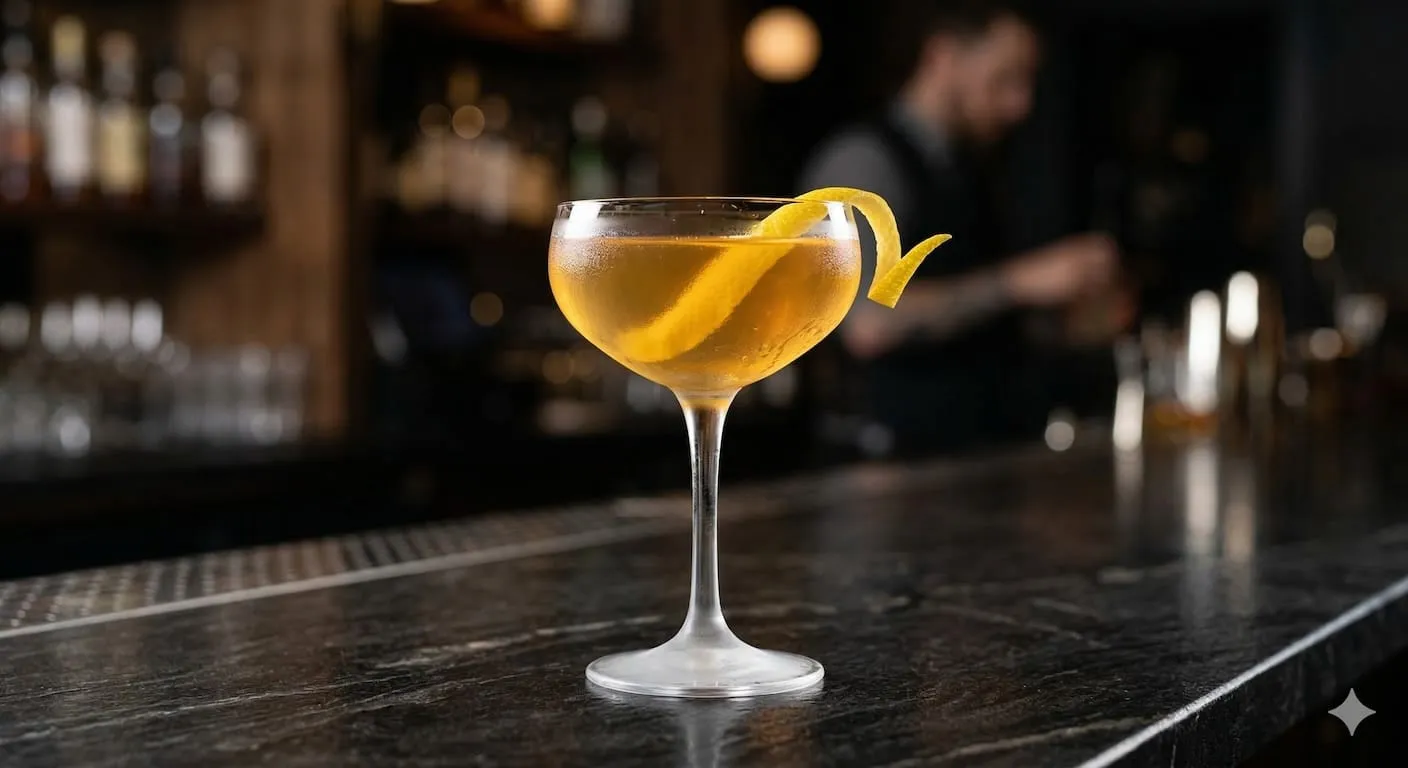
A Prohibition-era classic that uses honey and lemon to perfectly complement gin.
Ingredients
| 52.5 ml | Gin | |
| 22.5 ml | Fresh Lemon Juice | |
| 22.5 ml | Honey Syrup | |
| Garnish | ||
| 1 twist | Lemon twist | |
Got these ingredients?
Add them to your bar and discover more cocktails you can make.
Instructions
- 1
Add all ingredients into a shaker with ice.
- 2
Shake well and strain into a chilled cocktail glass.
- 3
Garnish with a lemon twist.
Flavour Profile
Nutrition
180 kcal
12 g
10 g
Bee’s Knees
The Bee’s Knees is a classic Prohibition-era cocktail made with Gin, Fresh Lemon Juice, and Honey Syrup. It is a definitive variation of the Gin Sour, prized for the unique floral depth and silky mouthfeel provided by honey, distinguishing it from recipes utilizing standard simple syrup.
Key Takeaways
- Original Context: Created during the U.S. Prohibition Era (1920-1933).
- Core Ingredients: Gin, honey, lemon.
- Flavor Profile: Floral, tart, and sweet with a rich texture.
- Nomenclature: Slang for “the best” or “excellence.”
History and Functional Mixology
The Bee’s Knees is a product of necessity. During Prohibition, much of the available alcohol was low-quality, bootlegged “bathtub gin.”
Masking the Flaws
The strong acidity of the lemon and the heavy, aromatic sweetness of the honey were used specifically to hide the off-putting smells and metallic tastes of poorly distilled spirits. As quality gin returned to the market, the recipe survived because the pairing of botanical gin with honey was found to be inherently superior to many traditional sugar-based sours.
The Frank Meier Connection
While many attribute the drink to general 1920s bar culture, it is often linked to Frank Meier, a bartender at the Ritz Hotel in Paris during the 1920s, who may have refined the recipe into the version we recognize today.
Component Breakdown
Gin Selection
A London Dry Gin (e.g., Ford’s Gin or Juniper) provides the necessary juniper-forward punch. Alternatively, a citrus-heavy modern gin can accentuate the lemon components for a brighter experience.
Crafting Honey Syrup
Using pure honey in a cold cocktail is a common error; it will seize and clump upon contact with ice. To create the proper Honey Syrup (3:1 or 2:1):
- Combine honey and hot water.
- Stir until fully integrated.
- Chill before use. This allows the honey to be measured accurately and integrated seamlessly.
Fresh Lemon Juice
Always use freshly squeezed lemon juice. The essential oils and natural zest are required to cut through the viscosity of the honey.
Preparation Mechanics
- Temperature and Dilution: Shake vigorously with large ice cubes for 12-15 seconds. The goal is a frosty, well-diluted liquid that remains crisp.
- Double Straining: Use a fine-mesh strainer to ensure no lemon pulp or ice shards make it into the final glass, preserving the drink’s smooth, golden appearance.
- The Garnish: A lemon twist выражен over the drink adds an immediate citrus aroma that prepares the palate for the sour notes.
Tasting Notes
The initial palate is bright and acidic from the lemon, which transitions into a mid-palate of botanical gin. The finish is defined by a lingering, floral sweetness and a heavy, satisfying body unique to honey-based cocktails.
You Might Also Like
More Gin cocktails to try.

Ve.n.to
A modern Italian classic featuring grappa, honey, and chamomile.

Spicy Fifty
A complex, multi-layered cocktail that balances spice, floral notes, and sweetness.
Pisco Sour
A vibrant, aromatic sour featuring South American Pisco and a silky foam.

White Lady
A crisp, elegant gin sour that is a close relative of the Sidecar.

Aviation
A beautiful sky-blue cocktail with floral notes of violet and maraschino.

Martinez
The elusive precursor to the Martini, featuring Old Tom gin and sweet vermouth.